Mastering the Chaos: A Practical Guide to Navigating Egypt Safely
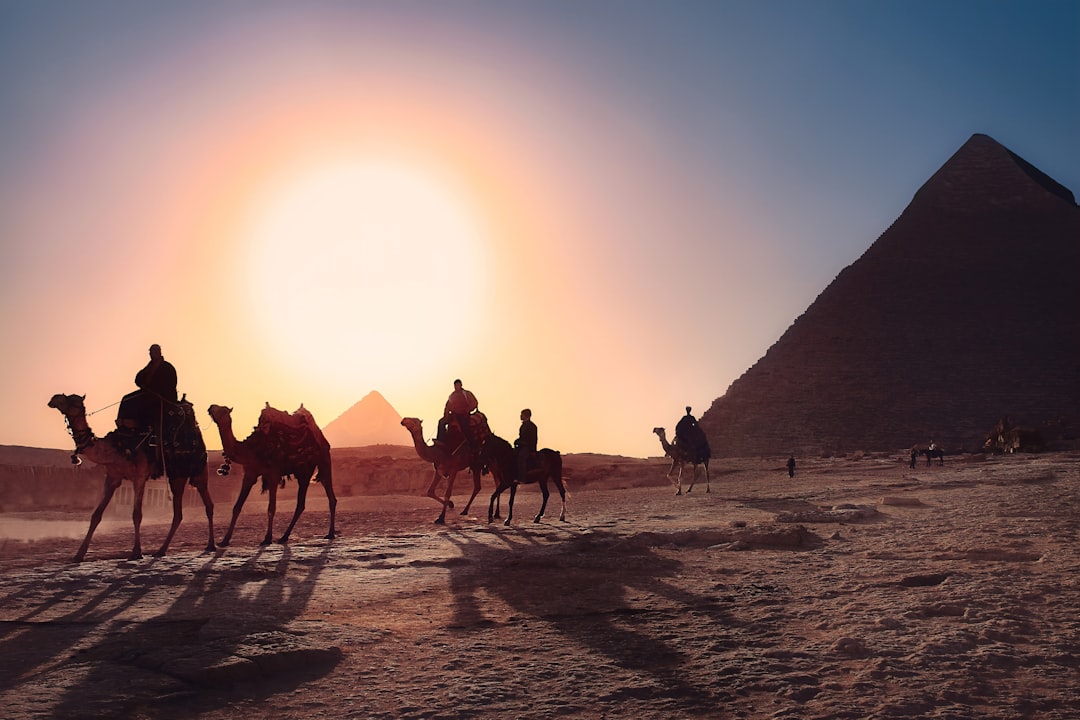
Egypt is a land that captures the imagination like no other. From the towering Giza Pyramids and the silent majesty of the Valley of the Kings to the chaotic charm of Cairo’s Khan el-Khalili bazaar, it is a destination that promises a journey through time. However, Egypt is also a place where the sensory overload can be intense. The heat, the noise, the persistent vendors, and the complex social etiquette can be overwhelming for first-time visitors.
To truly enjoy the wonders of the Nile, you need more than just a passport and a camera; you need a strategy. Navigating Egypt safely and comfortably requires a blend of cultural awareness, street smarts, and patience. This guide is designed to help you navigate the nuances of Egyptian travel, ensuring you spend less time worrying about scams and more time marveling at the ancient world.
Preparing Your Mindset: The "Egypt Hustle"
Before you even step off the plane, it is vital to understand the concept of the "hustle." In Egypt’s major tourist hubs, tourism is the primary lifeblood for thousands of families. This creates a high-pressure environment where vendors, guides, and drivers are incredibly persistent.
The first rule of a safe and stress-free trip is to realize that most "hassle" is not dangerous; it is simply aggressive salesmanship. However, if you aren't prepared for it, it can feel intrusive. Maintaining a polite but firm demeanor is your best defense. A smile and a "La, shukran" (No, thank you) will be your most-used phrase. If someone continues to follow you, simply stop engaging. Eye contact is often seen as an invitation to continue a sales pitch, so wearing sunglasses—even when it’s not particularly bright—can provide a helpful psychological barrier.
Navigating Transport: Avoiding the Taxi Scams
One of the most common points of friction for travelers in Egypt is transportation. Cairo’s traffic is legendary, and navigating it requires a bit of tactical planning.
The Rise of Ride-Hailing Apps
The single best piece of advice for a modern traveler in Egypt is to use Uber or Careem (the Middle East’s equivalent). These apps are available in Cairo, Alexandria, and a few other major cities. They eliminate the most stressful part of Egyptian transport: price negotiation.
When you use an app, the price is fixed, the route is tracked via GPS, and you have a record of the driver’s identity. This prevents the "broken meter" scam or the "I don't have change" trick that often occurs with traditional street taxis.
Using White Taxis
If you must use a traditional white taxi, ensure the meter is on before the car starts moving. If the driver claims the meter is broken, ask them to stop and get out, or agree on a price before you put your luggage in the trunk. Be aware that many taxi drivers will try to tell you that your chosen destination (a hotel or museum) is closed or moved, hoping to redirect you to a shop where they earn a commission. Ignore these claims and insist on your original destination.
Crossing the Street
In Cairo, crossing the street is an extreme sport. There are very few crosswalks, and drivers rarely stop for pedestrians. The trick is to wait for a local to cross and "shadow" them. Walk at a steady pace—don't run or make sudden movements—and the drivers will navigate around you. It feels counterintuitive, but it is the standard way of life in the capital.
Avoiding Common Tourist Scams
Egypt is home to some of the world's most creative "tourist traps." Being aware of them allows you to see the humor in the situation rather than falling victim to it.
The "Gift" Scam
In crowded areas like the Pyramids or Luxor Temple, a vendor may walk up and hand you a small figurine, a headscarf, or a "lucky stone," saying, "It’s a gift! Free for you!" Do not take it. As soon as the item is in your hand, they will demand a "donation" or payment. If they drop it in your hand or over your shoulder, simply place it on the ground or a nearby ledge and keep walking.
The "Official" Helper
At the Giza Plateau, you will encounter many men wearing scarves or even uniforms who look like they work there. They may ask to see your ticket, tell you a certain path is closed, or offer to show you a "secret" viewpoint. Often, these are unofficial guides looking for a tip. Your ticket will be checked at the main gate and the entrance to the pyramids themselves by uniformed police. Anyone else asking to see your ticket is likely trying to start a conversation that ends in a demand for money.
The Papyrus and Perfume Tours
Many tour packages or taxi drivers will offer to take you to a "Government Certified" papyrus museum or perfume palace. While these places can be interesting, they are almost always high-pressure sales environments where prices are inflated to cover the commission of the person who brought you there. If you want to buy souvenirs, do your own research or ask your hotel for a reputable gallery.
Cultural Etiquette and Dress Code
Egypt is a conservative, predominantly Muslim country. While the locals are incredibly hospitable and used to tourists, showing respect for their culture will go a long way in ensuring you are treated with respect in return.
Dress Modestly
This is particularly important for women, but applies to men as well. In Cairo and the Nile Valley, both genders should aim to cover their shoulders and knees. Women do not need to cover their hair (unless entering a mosque), but wearing loose-fitting clothing that doesn't reveal too much skin will significantly reduce the amount of unwanted attention and catcalling you might receive.
In beach resort areas like Sharm El Sheikh or Hurghada, Western swimwear is perfectly acceptable. However, if you leave the resort to visit a local town, throw on a cover-up.
Public Displays of Affection
Egypt is not a place for public displays of affection (PDA). While holding hands is generally okay for married couples, kissing or heavy embracing in public is considered disrespectful and can even lead to trouble with the "Tourist Police." It is best to keep your romantic gestures private.
Religious Sensitivity
During the holy month of Ramadan, avoid eating, drinking, or smoking in public during daylight hours out of respect for those fasting. Additionally, always remove your shoes before entering a mosque, and ensure your attire is extra modest (women will usually be provided with a robe or "galabeya" at the entrance).
Handling Harassment and Safety for Women
Street harassment, unfortunately, is a reality in Egypt, particularly in Cairo. It usually takes the form of persistent following, comments, or "hissing."
Strategies for Solo Female Travelers
If you are traveling as a woman, especially alone, the following tips can help:
- Look Busy: Wearing headphones (even with no music playing) can be a great way to signal that you are not open to conversation.
- The Wedding Ring Trick: Many women find that wearing a fake wedding ring reduces the number of "proposals" and questions about their marital status.
- Use the "Ladies Only" Car: On the Cairo Metro, the middle cars are reserved for women. While women are allowed in any car, the ladies-only section is much more comfortable and provides a break from the male-dominated crowds.
- Be Assertive: If someone is making you uncomfortable, don't be afraid to make a scene. Shouting "Ayeb!" (Shame on you!) or "Imshi!" (Go away!) will usually cause the harasser to back off quickly, as Egyptian culture values public reputation highly.
Health and Hygiene: Staying Well
Nothing ruins a trip faster than "Pharaoh’s Revenge" (traveler's diarrhea). Egypt’s bacteria are different from what your body is likely used to.
Water Safety
Never drink the tap water in Egypt. Even for brushing your teeth, it is safer to use bottled water. Be cautious with ice in drinks and ensure that the bottled water you buy has an intact seal.
Food Precautions
Street food in Egypt is delicious—falafel (ta'ameya) and koshary are must-tries—but choose stalls with high turnover and where you can see the food being cooked fresh. Avoid raw vegetables or salads that may have been washed in tap water unless you are at a high-end hotel. Always wash your hands or use sanitizer before eating, as the paper money in Egypt is notoriously grimy and a major vector for germs.
The Sun and Heat
The Egyptian sun is unforgiving. Dehydration is a common cause of illness for tourists. Carry more water than you think you need, wear a hat, and try to visit the major outdoor sites (like the Valley of the Kings) as early as possible in the morning to avoid the midday peak.
The Economy of Baksheesh (Tipping)
"Baksheesh" is a word you will hear daily. It is a combination of tipping, alms-giving, and a fee for service. In Egypt, wages are low, and many people rely on baksheesh to survive.
Who to Tip
Expect to tip for almost everything: the person who hands you a paper towel in the bathroom, the person who holds a door, the driver who takes you to the airport, and the guide who explains the hieroglyphs.
How Much to Give
Keep a pocket full of small bills (5, 10, and 20 EGP notes). While it may feel like you are being "nickeled and dimed," remember that 10 EGP is a very small amount for most travelers but meaningful for the recipient. However, do not feel obligated to tip if no service was rendered or if someone was being overly pushy.
Photography and Legal Restrictions
Egypt has strict laws regarding what you can and cannot photograph.
Government Buildings
Never take photos of military installations, police stations, bridges, or government buildings. Doing so can lead to your camera being confiscated or even your arrest.
Professional Gear
In recent years, Egypt has relaxed rules for tourists using smartphones, but if you have professional-looking gear (tripods, external microphones, or large telephoto lenses), you may be stopped and asked for a permit. Drones are strictly prohibited in Egypt and will be confiscated at the airport if found in your luggage.
Respecting the Dead
Inside the tombs in Luxor and the inner chambers of the Pyramids, photography is often banned to protect the ancient pigments. While some guards might offer to let you take a photo for "baksheesh," it is better to respect the rules and help preserve these world treasures.
Conclusion: Embracing the Chaos
Egypt is a country of extremes. It is a place where you will likely experience moments of frustration followed immediately by moments of profound awe. By using ride-hailing apps to avoid taxi drama, dressing modestly to show cultural respect, and understanding the local tipping culture, you remove the common barriers that prevent travelers from connecting with the country.
The secret to a successful Egyptian adventure is to stay patient and maintain your sense of humor. If a vendor is too persistent, laugh it off. If the traffic is stalled, look out the window and watch the vibrant life of Cairo unfold. Egypt is not a destination that you simply observe; it is one that you experience with all your senses. If you arrive prepared, you will find that the warmth and hospitality of the Egyptian people are just as memorable as the ancient monuments they guard. Safe travels, or as they say in Arabic, Safar Sa'id!