Thailand's Taxi Colour Code meaning.
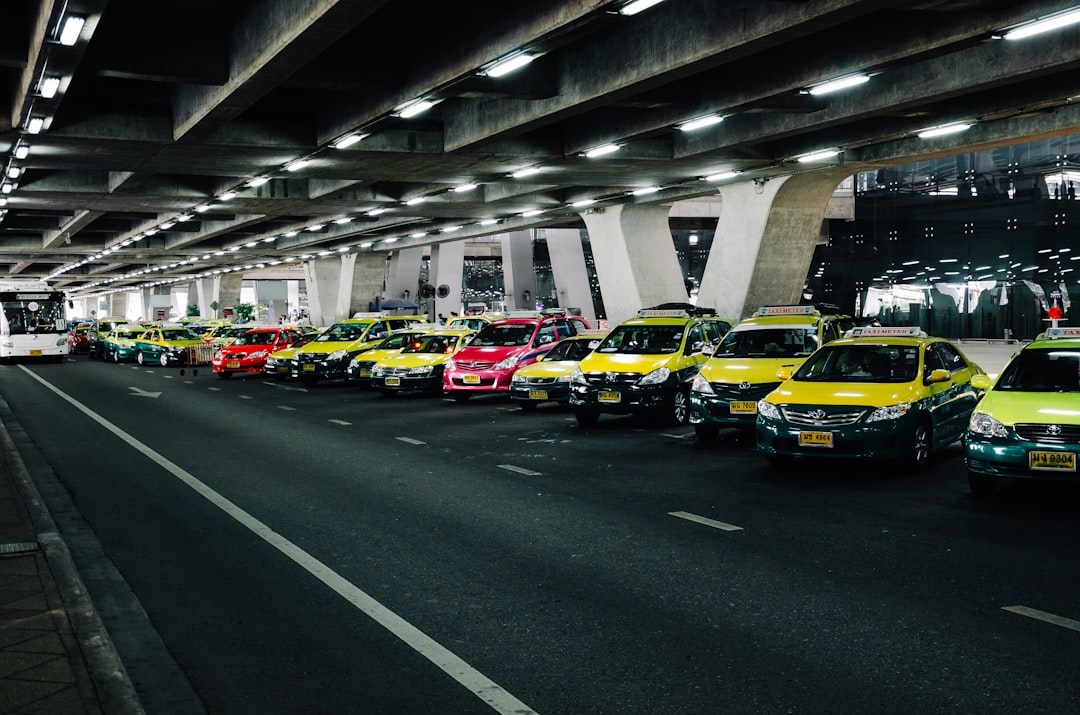
A Rainbow on the Road: Unlocking the Secrets of Thailand's Taxi Colour Code
Stepping onto the bustling streets of Bangkok, Chiang Mai, or Phuket for the first time is an assault on the senses in the best possible way. The scent of street food hangs in the humid air, the gentle hum of a thousand motorbikes weaves through traffic, and everywhere you look, a kaleidoscope of colour flashes past. Among the most vibrant sights are the taxis—a veritable rainbow of vehicles zipping through the city's arteries. But have you ever wondered why there are so many different colours? Is it simply a matter of aesthetics, or is there a deeper system at play?
As it turns out, that splash of colour is far more than just a design choice. The Thai taxi colour code is a fascinating and practical system that reveals crucial information about the vehicle's ownership, operational model, and even the company to contact if you leave something behind. Understanding this code can transform your experience from that of a bewildered tourist to a savvy, informed traveller. It provides insight into the local economy, helps you manage your expectations for the journey, and empowers you to make better choices.
This guide will take you on a deep dive into Thailand's taxi colour system. We'll decode the meaning behind the most common hues, explore the different ownership structures they represent, and provide practical tips to help you navigate your next taxi ride with confidence. So, buckle up, and let's unravel the vibrant mystery of Thailand's taxis.
More Than Just a Pretty Paint Job: The Purpose of the Colour Code
At first glance, the proliferation of taxi colours might seem random, a legacy of a deregulated industry or a simple branding choice. However, the system is a well-established method of identification that serves multiple purposes for drivers, companies, and passengers alike.
The primary function is to signify ownership and operational structure. In Thailand, the taxi industry is not a monolith; it's a complex ecosystem comprising different business models. The colour of a taxi is the quickest visual cue to understand who owns the vehicle and how the driver is compensated. This distinction is crucial because it can influence everything from the driver's motivation to the car's condition and the passenger's overall experience.
Furthermore, the colour-coding system is a practical tool for accountability. When you leave a valuable item in a taxi, the colour, along with the number displayed on the vehicle, is your most important piece of information. Each colour corresponds to a specific cooperative or company, each with its own lost-and-found department. This makes the daunting task of retrieving a lost item significantly more manageable.
Finally, the colour system provides a snapshot of the local economy. It highlights the prevalence of independent entrepreneurs (owner-drivers) versus company employees, offering a glimpse into the diverse ways people earn a living in Thailand's bustling urban centres. The colours aren't just paint; they are a story of livelihood, independence, and structure painted on the side of a car.
Decoding the Spectrum: A Guide to Common Taxi Colours
While you'll see a wide variety of colours on the road—some regions even have unique local schemes—the following are the most common and significant colours you'll encounter, especially in and around Bangkok.
🟢🟡 Two-Tone Taxis: The Green and Yellow Warriors
Meaning: Independent Owner-Drivers
The most ubiquitous taxi you'll see is the two-tone green and yellow cab. This colour scheme is iconic and represents a specific and important segment of the taxi population: the self-employed owner-driver.
Ownership and Operation: These taxis are owned and operated by the driver themselves. The individual driver invests in the vehicle, handles all maintenance and repairs, and is responsible for all operational costs, including fuel and insurance. Their income is derived directly from the day's fares, after which they must cover their expenses. This business model is a form of micro-entrepreneurship, offering drivers a high degree of autonomy.
What to Expect as a Passenger: Because the driver has a direct personal stake in the vehicle's condition and their income, you'll often find that these taxis are well-maintained. The driver is the sole beneficiary of a good day's work, which can translate into a more motivated and personable service. Many passengers report friendlier interactions with owner-drivers, who may be more inclined to share local insights or engage in conversation. The car itself might feel more "lived-in" and personal, as it is a significant investment for the driver.
Insider Tip: These taxis are plentiful and are often the most likely to agree to use the meter without much fuss, especially during off-peak hours. Their independence means they have more flexibility in accepting rides.
🔵 Single-Colour Taxis: The Cooperative Fleet
Meaning: Company or Cooperative-Owned
Single-colour taxis are the other major category you'll see. These vehicles belong to specific taxi cooperatives or companies. The driver does not own the car; instead, they rent it from the cooperative for a set period (typically 8-12 hours) or work as an employee. The colour is a direct identifier of the company.
Here are some of the most common single-colour taxis and their associated cooperatives:
💗 Pink Taxis (Sahamit Taxi Cooperative)
Pink taxis are a very common sight and are operated by the Sahamit Taxi Cooperative. This is one of the largest and most established cooperatives in Thailand. The drivers are typically employees or lessees of the cooperative. The vibrant pink colour makes these cars easy to spot from a distance.
🔵 Blue Taxis (Thai Taxi Cooperative)
The blue taxis are associated with the Thai Taxi Cooperative. Like the pink ones, these vehicles are part of a large, organized fleet. The cooperative structure provides a support system for its drivers, including maintenance facilities and administrative support. The deep blue colour is a symbol of this established network.
🟠 Orange Taxis (Bowon Taxi Cooperative)
Orange taxis, operated by the Bowon Taxi Cooperative, are another prominent part of the urban landscape. Their bright, cheerful colour stands out in traffic. Drivers for this cooperative follow a similar rental or employment model, contributing to a consistent service standard across the fleet.
🟡 Yellow Taxis (Samakkhitham Taxi Cooperative)
While yellow can also refer to the two-tone taxis, a solid yellow taxi typically belongs to the Samakkhitham Taxi Cooperative. This colour can sometimes cause confusion, so it's always good to look for the cooperative's logo or name on the vehicle's door or bonnet to be certain.
Ownership and Operation: The cooperative model offers drivers a lower barrier to entry. They don't need to secure a large loan to purchase a vehicle; they can simply rent one for the day. This system provides a steady stream of vehicles for passengers and a stable, albeit less autonomous, job for drivers. The cooperatives are responsible for vehicle maintenance, insurance, and regulatory compliance.
What to Expect as a Passenger: The experience in a single-colour taxi can vary. Because the driver doesn't own the car, their incentive for meticulous care may be different from an owner-driver. However, these cooperatives often have standards and systems in place. The key advantage for passengers is the clear line of accountability. If you have a complaint or have left an item behind, you know exactly which cooperative to contact.
Insider Tip: Always note the taxi's number and colour. If you need to file a complaint or look for a lost item, calling the specific cooperative is your most effective route. Many of the larger cooperatives have English-speaking staff and dedicated hotlines.
The Business Behind the Wheel: Ownership Models Explained
Understanding the colour code is the first step; grasping the underlying business models gives you a deeper appreciation of the system. The two primary structures—owner-drivers and cooperative/lessees—create a dynamic and competitive market.
The Entrepreneurial Spirit of Owner-Drivers (Green & Yellow): The two-tone green and yellow taxis represent the spirit of small business ownership. These drivers are entrepreneurs in the truest sense. They bear all the risks—vehicle depreciation, unexpected repair bills, fuel price fluctuations—but also reap all the rewards. This direct link between effort and reward can be a powerful motivator. For them, every passenger is a direct contribution to their family's income, their vehicle's loan, and their future. This model fosters a strong sense of responsibility and pride in their vehicle.
The Structured System of Cooperatives (Single Colours): The single-colour taxis operate within a more structured, corporate-like framework. The cooperative acts as the central hub, managing the fleet, handling logistics, and providing a safety net for its drivers. For the driver, this model offers predictability. They have a set rental fee for the day, and any fare earned above that amount is their profit. This removes the financial burden of vehicle ownership but also caps their maximum earning potential on a given day. It's a trade-off between autonomy and security. For passengers, this system can offer a more standardized experience, though the quality can still vary from driver to driver.
Practical Tips for Riding in Thai Taxis
Now that you're armed with the knowledge of the colour code, here are some practical tips to make your taxi journeys in Thailand smoother and more enjoyable.
- The Meter is Your Best Friend: Regardless of the taxi's colour, the meter should be the basis for your fare. For most standard taxis, it's law. If a driver refuses to use the meter, especially for a short trip, it's best to politely decline and find another taxi. There are plenty of others to choose from.
- Note the Details: Before you get in, take a quick mental picture or note of the taxi's number, colour, and the driver's ID displayed on the dashboard. This simple habit is invaluable if you leave something behind or have a negative experience.
- Use Ride-Hailing Apps: In major cities like Bangkok, apps like Grab and Bolt are incredibly popular. They offer fixed prices, eliminate the need for meter negotiations, and provide a digital record of your journey. While you might pay a small premium for convenience, the peace of mind is often worth it, especially for airport trips or during peak traffic.
- Communicate Clearly: While many drivers in tourist areas have a basic understanding of English, it's always helpful to have your destination written down in Thai or shown on a map. Learning a few basic Thai phrases like "Meters, please?" ("meter, ka/krap") and "Thank you" ("khop khun, ka/krap") goes a long way.
- Embrace the Diversity: Don't be afraid to try different coloured taxis. Each offers a slightly different experience. You might find a chatty owner-driver who gives you a fantastic local tour, or a quiet but efficient cooperative driver who gets you to your destination swiftly. The colour is a guide, not a guarantee, so keep an open mind.
Conclusion: A System of Colour, Community, and Commerce
The next time you find yourself on a busy Thai street corner, watching the river of colourful taxis flow by, you'll see more than just a random assortment of vehicles. You'll see a system at work—a visual language that communicates ownership, business models, and community identity. The vibrant green and yellow taxis speak of individual enterprise and personal pride, while the solid hues of pink, blue, and orange represent organized cooperatives and structured support networks.
This colour-coded system is a brilliant example of how a bustling metropolis organizes a complex industry, making it accessible and accountable. It’s a system born from the unique economic and social fabric of Thailand. By understanding its meaning, you gain more than just practical knowledge; you gain a deeper insight into the city itself.
So, as you plan your next adventure in the Land of Smiles, remember to look beyond the bright colours. See them as clues, as stories, and as tools to enhance your journey. Your taxi ride is no longer just a simple A-to-B trip; it's an opportunity to engage with the local culture on a deeper level. Enjoy the ride.